
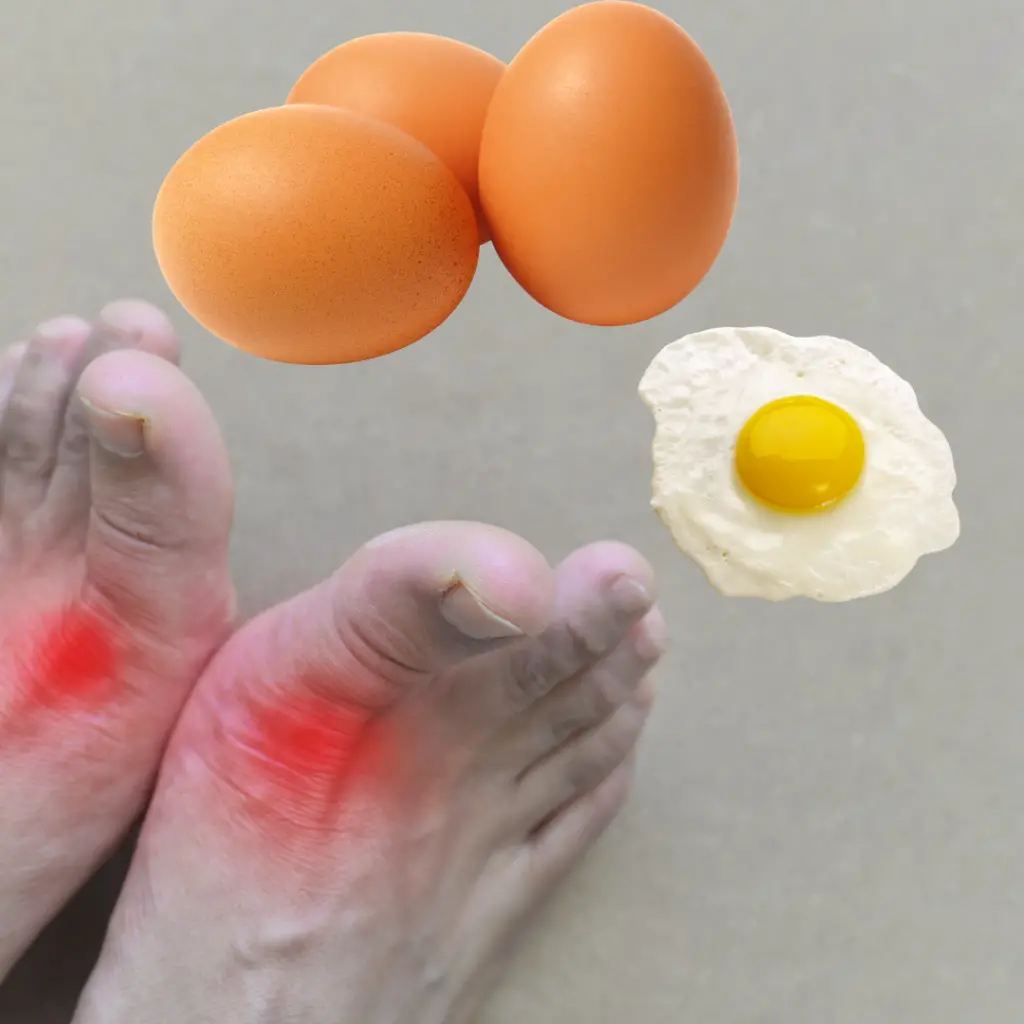
Introduction: Eggs and gout have been a subject of interest among individuals with gout and researchers. A gout is a form of arthritis caused by the proliferation of uric acid crystals in the joints, leading to inflammation, pain, and swelling. Many factors, including diet, can influence the development and management of gout.
Eggs are a popular food choice and are often praised for their nutritional value. They are a fantastic source of protein, essential vitamins, and minerals. Moreover, eggs are low in calories and can be part of a healthy diet for many individuals. However, the relationship between eggs and the condition is debated regarding gout.
Nutritional Profile of Eggs
Eggs are a powerhouse of nutrition, offering a wide range of essential nutrients that contribute to overall health. A single large egg (approximately 50 grams) provides the following key components:
- Calories: Around 70 kcal, making them a low-calorie food option.
- Protein: Approximately 6 grams of high-quality protein, containing all nine essential amino acids.
- Fat: About 5 grams, including healthy unsaturated fats and a small amount of saturated fat.
- Cholesterol: Roughly 186 mg, primarily found in the yolk.
- Vitamins: Rich in vitamins such as B12 (important for red blood cell production), riboflavin, and vitamin D. Eggs also contain choline, vital for brain function and cell membrane structure.
- Minerals: Include selenium, phosphorus, and small amounts of iron and zinc.
- Antioxidants: The yolk contains lutein and zeaxanthin, antioxidants that support eye health and may reduce the risk of macular degeneration.
Eggs are also versatile and easy to incorporate into various dishes, making them a staple in many diets. Their low purine content makes them particularly suitable for individuals managing gout, providing a safe and nutrient-rich protein source. However, for those with specific health conditions, like high cholesterol or heart disease, it is advisable to consult a healthcare professional to determine appropriate consumption levels.
Advantages of Eggs for Gout
When purines are smashed down, uric acid is formed. In gout, excess uric acid assembles up in the body (hyperuricemia), and crystals form in the joints and cause this painful form of joint pain.
A healthy, balanced diet with nutritious foods from all food groups benefits gout. Foods high in purines and highly processed foods should be limited.
The Dietary Approaches to Prevent High Blood Pressure (DASH) diet is also often recommended because it includes foods low in purines, which can prevent gout flare-ups.
Although people with gout should typically avoid or limit high-purine animal proteins, including shellfish, organ meats, turkey meat, bacon, and red meat, they can still enjoy reasonable amounts of protein with a low purine content.
If you have an egg allergy, evade eggs and foods that include eggs to prevent a potentially life-threatening allergic response. When you feel allergic to chicken eggs, your healthcare provider may also advise avoiding eggs from other animals, including geese, turkey, quail, and duck.
Examination of eggs and gout
A 2019 review examined the purine content of various beverages, supplements, and foods. The experimenters found that beer and animal-based products (except eggs and milk) had the highest quantities of purine, while egg products, milk, fruit, and sweets had the lowest.
One of the primary concerns regarding eggs and gout is their purine content. Purines are natural compounds found in particular foods and are broken down by the body into uric acid. High ranks of uric acid can lead to gout attacks. Eggs contain purines, but their purine content is relatively low compared to other foods.
A 2015 research review also analyzed how distinct protein sources affected flare-ups in people with gout. The operatives found no statistically meaningful connection between eggs, dairy products, nuts, seeds, or grains and the risk of gout.
In the past, healthcare professionals advised individuals with gout to avoid foods high in purines, including eggs. However, more recent research suggests that the purine content of foods might have a minor impact on uric acid levels than previously believed. Instead, dietary factors like fructose-sweetened beverages and excessive alcohol intake are more strongly associated with increased uric acid levels and gout risk.
Furthermore, studies have shown that the body’s ability to handle purines varies among individuals. Some people may be more sensitive to foods high in purines, while others can consume them without significantly affecting uric acid levels. Therefore, it needs to be more accurate to generalize broadly about the relationship between eggs and gout.
The cholesterol content of eggs is another aspect to consider for individuals with gout. While eggs are a valuable protein source, they contain cholesterol, which can impact heart health. People with gout often have other comorbidities like hypertension or cardiovascular conditions. In such cases, managing cholesterol levels becomes essential.
However, it is crucial to understand that dietary cholesterol may have a more negligible impact on blood cholesterol levels than dripping and trans fats.
For those concerned about cholesterol, it’s advisable to focus on dietary patterns that promote heart health, such as swallowing a diet rich in fruits, vegetables, whole grains, and lean proteins while specifying saturated and trans fats.
Ultimately, individual responses may vary when it comes to eggs and gout. Some people with gout may be able to include eggs in their diet without experiencing adverse effects on their gout symptoms or uric acid levels. Others might find that eggs trigger gout attacks or worsen their condition.
The best approach for individuals with gout is to pay attention to their body’s responses to different foods, including eggs. Keeping a food diary and noting any changes in gout symptoms can help identify potential triggers. Consulting with a healthcare specialist or a registered dietitian is also recommended to create a personalized diet plan that aligns with individual health goals and dietary preferences.
Scientific Studies on Eggs and Uric Acid Levels

Scientific research exploring the relationship between egg consumption and uric acid levels indicates that eggs are a low-purine food, making them a safe protein option for individuals managing gout. Here are some key findings from recent studies:
- Low Purine Content: Eggs are classified as a low-purine food, meaning they contain fewer than 100 mg of purines per 100 grams. This characteristic reduces the risk of increasing uric acid production, as high-purine foods are known triggers for gout flare-ups.
- Neutral Impact on Uric Acid: A study published in the Journal of Clinical Nutrition (2018) found that moderate egg consumption does not significantly affect uric acid levels. Participants who included eggs in their diet maintained stable uric acid concentrations without an increased risk of gout symptoms.
- Protein Source for Gout Patients: Research in the Journal of Rheumatology (2021) highlighted eggs as a valuable alternative to high-purine protein sources such as red meat and seafood. The study emphasized that eggs provide essential nutrients without contributing to hyperuricemia.
- Inflammation and Antioxidants: Studies, including one from Nutrients (2019), show that the antioxidants lutein and zeaxanthin present in egg yolks may help reduce oxidative stress, which plays a role in inflammation associated with gout.
- Egg Consumption Guidelines: Research suggests that consuming up to four eggs per week is generally safe for individuals with gout. The preparation method, such as boiling or poaching, is essential to preserve their nutritional benefits without adding unhealthy fats.
While the evidence supports the inclusion of eggs in a gout-friendly diet, it is essential to monitor individual responses and consider overall dietary patterns. Combining eggs with low-purine, nutrient-dense foods enhances their health benefits and aligns with gout management strategies.
How to eat eggs with gout
According to the American Heart Association’s Trusted Source, eating an egg daily can benefit health. Recipe ideas for eating eggs as part of a gout friendly diet contain the following:
- Eat boiled eggs as a snack or a meal with vegetables and salad.
- For egg sandwiches, slice or mash boiled eggs with whole-grain bread.
- Scramble the eggs and serve on top of whole grain toast.
- Fry eggs in vegetable oil, such as olive oil, and add to meals as extra protein.
- Scramble an egg, and serve on a complete wheat English muffin.
- Use eggs to make an omelet, and add vegetables and low-fat cheese to serve with vegetables or a salad.
If they are cooking eggs, people want to avoid adding animal fat. A heart-healthy oil, such as olive oil, maybe a better option. People may also want to avoid adding meat to their diet, such as bacon or other foods high in purine.
Dietary Recommendations for Gout Patients
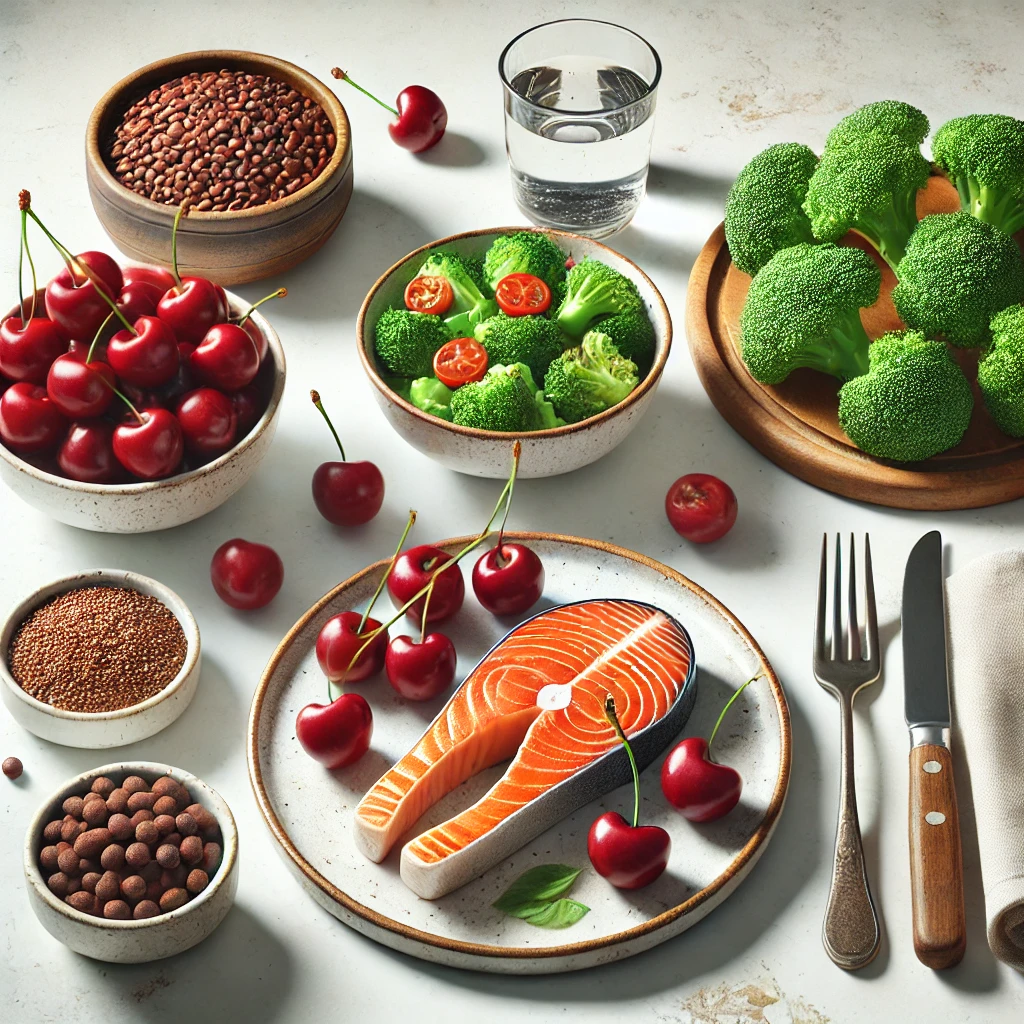
Managing gout effectively requires a balanced diet that minimizes uric acid production while supporting overall health. Here are key dietary recommendations tailored for individuals with gout:
1. Focus on Low-Purine Foods
- Recommended: Fruits, vegetables, whole grains, low-fat dairy, eggs, and nuts. These foods are low in purines and help maintain healthy uric acid levels.
- Limit: Red meat, organ meats (liver, kidney), shellfish, and certain types of fish (anchovies, sardines), as they are high in purines and can trigger flare-ups.
2. Stay Hydrated
- Drink plenty of water (8–10 glasses daily) to promote the excretion of uric acid through urine. Herbal teas and broths are also good options. Avoid sugary drinks and excessive alcohol, especially beer, which can increase uric acid levels.
3. Incorporate Anti-Inflammatory Foods
- Add foods rich in antioxidants and anti-inflammatory properties, such as cherries, berries, turmeric, and omega-3-rich fish like salmon. These may help reduce inflammation associated with gout.
4. Moderate Protein Intake
- Replace high-purine protein sources with low-purine alternatives like eggs, low-fat dairy, tofu, and legumes. Limit portions to avoid overloading the kidneys.
5. Limit Fructose and Sugary Foods
- High-fructose corn syrup, found in sodas and processed foods, can increase uric acid production. Opt for natural sweeteners and limit dessert consumption.
6. Avoid Crash Diets
- Rapid weight loss or extreme dieting can lead to increased uric acid levels. Aim for gradual weight loss through a balanced diet and regular exercise.
7. Portion Control and Meal Timing
- Eat smaller, more frequent meals to stabilize blood sugar and reduce uric acid spikes. Avoid heavy meals, especially those rich in purines.
Sample Gout-Friendly Meal Plan:
- Breakfast: Boiled eggs, whole-grain toast, and fresh berries.
- Lunch: Grilled chicken salad with mixed greens and olive oil dressing.
- Snack: Low-fat yogurt with a handful of nuts.
- Dinner: Baked salmon with quinoa and steamed broccoli.
By following these recommendations, individuals with gout can manage symptoms, reduce the risk of flare-ups, and improve overall health. Always consult a healthcare provider or dietitian to tailor these guidelines to your specific needs.
Frequently Asked Questions:
What is gout?
Gout is a form of arthritis characterized by sudden, severe attacks of pain, redness, and swelling in the joints. It occurs when there is an accumulation of uric acid in the blood, leading to the formation of sharp crystals in the joints. These crystals trigger inflammation and intense discomfort. Commonly affected areas include the big toe, ankles, knees, and elbows. Factors contributing to gout include genetics, obesity, certain medical conditions, and dietary choices. Managing gout typically involves medications to reduce uric acid levels and lifestyle modifications, such as dietary changes and regular exercise.
How does diet influence gout?
Diet plays a significant role in managing gout. Foods high in purines, such as red meat, organ meats, and certain seafood, can elevate uric acid levels in the body, increasing the risk of gout attacks. Conversely, consuming low-purine foods, like fruits, vegetables, whole grains, and low-fat dairy products, can help maintain healthy uric acid levels. Staying hydrated and limiting alcohol intake are also crucial, as dehydration and alcohol can trigger gout flare-ups. Implementing a balanced diet tailored to individual needs is essential for effective gout management.
Are eggs high in purines?
Eggs are considered low in purines, making them a suitable protein source for individuals with gout. Unlike certain meats and seafood that contain high levels of purines, eggs do not significantly contribute to increased uric acid production. Incorporating eggs into a balanced diet can provide essential nutrients without elevating the risk of gout attacks. However, it’s important to prepare eggs healthily, such as boiling or poaching, and to consume them in moderation as part of an overall gout-friendly dietary plan.
Can consuming eggs trigger a gout attack?
Current research indicates that consuming eggs does not trigger gout attacks. Eggs are low in purines, the compounds that break down into uric acid in the body. Therefore, including eggs in your diet is unlikely to increase uric acid levels or precipitate a gout flare-up. However, individual responses can vary, so it’s advisable to monitor your body’s reaction to egg consumption and consult with a healthcare professional for personalized dietary advice.
How many eggs can I safely eat if I have gout?
While eggs are low in purines and generally safe for individuals with gout, moderation is key. Consuming up to four eggs per week is considered reasonable for most people. It’s important to balance egg intake with other low-purine protein sources, such as legumes and low-fat dairy, to ensure a varied and nutritious diet. Additionally, preparation methods matter; opt for boiling, poaching, or baking rather than frying to avoid added fats that could impact overall health. Always tailor dietary choices to your specific health needs and consult with a healthcare provider for personalized guidance.
Are there any benefits to including eggs in a gout-friendly diet?
Yes, incorporating eggs into a gout-friendly diet offers several benefits. Eggs are an excellent source of high-quality protein, essential amino acids, and various vitamins and minerals, including vitamin B12, riboflavin, and selenium. Since they are low in purines, they do not contribute to increased uric acid levels, making them a safe protein option for those managing gout. Including eggs can help maintain muscle mass and support overall nutrition without elevating the risk of gout attacks.
What are some gout-friendly ways to prepare eggs?
Preparing eggs in a healthy manner is important for managing gout. Boiling, poaching, or baking eggs are excellent methods that do not add extra fats. For instance, a vegetable omelet using egg whites and a variety of colorful vegetables can provide a nutritious, low-purine meal. Avoid adding high-fat ingredients like cheese or butter, as excessive fat intake can contribute to other health issues. Incorporating herbs and spices can enhance flavor without adding purines, making meals both enjoyable and gout-friendly.
Should I avoid other animal products if I have gout?
Individuals with gout are often advised to limit the intake of high-purine animal products, such as red meat, organ meats, and certain seafood, as these can elevate uric acid levels.
While high-purine animal products like red meat and shellfish should be limited, not all animal-based foods are problematic for gout. Low-purine options, such as eggs, low-fat dairy products, and certain types of fish, can be included in moderation as part of a balanced diet. It’s essential to focus on the overall quality and variety of your meals, prioritizing plant-based foods rich in antioxidants and fiber. Consulting with a healthcare provider or dietitian can help tailor dietary recommendations to your specific needs, ensuring you get the nutrients required without triggering gout flare-ups.
Can eating eggs reduce inflammation associated with gout?
Eggs themselves do not directly reduce inflammation caused by gout, but they are considered a neutral food in terms of their impact on uric acid levels. Eggs provide essential nutrients like choline and selenium, which support overall health. To manage inflammation effectively, a diet rich in anti-inflammatory foods, such as fruits, vegetables, nuts, seeds, and omega-3 fatty acids from fish, is recommended. While eggs are not inflammatory, pairing them with such foods can create a balanced, gout-friendly diet that supports long-term health and reduces inflammation.
How does hydration affect gout and egg consumption?
Hydration plays a crucial role in gout management by helping the kidneys eliminate excess uric acid from the body. Drinking plenty of water can reduce the risk of crystal formation in the joints, minimizing the likelihood of gout flare-ups. When consuming eggs or other proteins, staying hydrated is particularly important to maintain optimal kidney function and support the efficient processing of purines. Aim for at least 8–10 glasses of water daily, and consider herbal teas or broths as additional sources of hydration. Proper hydration complements a balanced diet in managing gout effectively.
Are there any risks to eating eggs if I have other health conditions?
While eggs are generally considered safe and nutritious, individuals with certain health conditions, such as high cholesterol or cardiovascular disease, should be mindful of their egg consumption. The yolk contains cholesterol, which may impact blood cholesterol levels in some people, though current research suggests moderate consumption is safe for most. If you have gout and other health concerns, prioritize preparation methods like boiling or poaching and consult with a healthcare professional to determine the appropriate amount of eggs in your diet. Balancing eggs with other nutrient-dense foods ensures a comprehensive and health-conscious approach.
What other foods pair well with eggs for a gout-friendly meal?
Eggs can be paired with various low-purine, nutrient-dense foods to create gout-friendly meals. Vegetables like spinach, bell peppers, zucchini, and tomatoes make excellent additions, whether in omelets, scrambles, or as sides. Whole-grain bread or oats can complement eggs for a filling breakfast. Low-fat dairy products, such as yogurt or cheese, can provide additional protein and calcium without raising uric acid levels. Incorporating herbs and spices like turmeric, garlic, or parsley can enhance flavor while supporting overall health. These combinations ensure balanced meals that align with gout management goals.
Should I consult a doctor before making dietary changes for gout?
Yes, consulting a doctor or registered dietitian before making dietary changes for gout is highly recommended. Gout management requires a personalized approach, as individual triggers and responses to certain foods can vary. A healthcare professional can assess your medical history, current uric acid levels, and overall health to provide tailored dietary advice. They can also help you monitor the effectiveness of dietary adjustments and recommend other strategies, such as medication or lifestyle changes, to manage gout effectively. Seeking professional guidance ensures safe and sustainable dietary improvements.
Conclusion
In conclusion, the relationship between eggs and gout is complex and depends on various factors, including individual responses to dietary purines and cholesterol. Eggs can be a nutritious part of a proportional diet for many people.
Still, those with gout should approach their diet cautiously and consider the context of their overall health and lifestyle. Making informed dietary choices and working with healthcare professionals can improve gout management and overall well-being.
A gout friendly diet includes low-fat dairy, whole grains, and vegetables. People should specify foods that are high in purines. It may consist of shellfish and organ meats. Diet may not be enough to manage gout. A person may also need to take medications to control gout flare-ups.
References:
- Healthline. (2022). Egg and Gout: Eggs and a Diet to Lower Uric Acid. Retrieved from Healthline
- Medical News Today. (2021). How eggs affect gout: Safety and recipe ideas. Retrieved from Medical News Today
- Verywell Health. (2021). Eggs and Gout: Benefits, Meal Ideas, and Shopping Tips. Retrieved from Verywell Health
- Mayo Clinic. (2020). Gout diet: What’s allowed, what’s not. Retrieved from Mayo Clinic
- Arthritis Foundation. (2021). Gout Diet: Dos and Don’ts. Retrieved from Fundación Artritis
Also read: Gout friendly food; Oatmeal and uric acid: Is it good or bad?; Can people with gout drink milk?; Medicine and health
- Ejemplos de bioética en la práctica médica actual (2) - agosto 27, 2025
- Filosofía de la medicina, epistemología, ontología, metafísica (2) - agosto 27, 2025
- Que significa la flora mixta en la orina: 1 - abril 27, 2025